
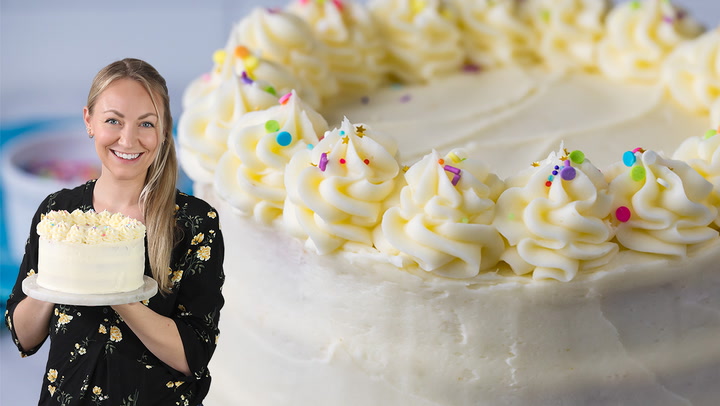
Cake decorating is both a creative outlet and a practical skill that can transform a simple bake into a memorable centerpiece. Whether you are preparing cakes for family celebrations, small gatherings, or professional presentations, mastering a few essential decorating strategies can dramatically improve the appearance and finish of your cakes. With the right techniques, tools, and planning habits, even beginners can produce designs that look polished and intentional.
Below are practical cake decorating tips that immediately improve visual impact while remaining achievable in a home kitchen.
Start with a Smooth, Stable Foundation
Every beautifully decorated cake begins with proper structure. Decorative elements stand out only when the base layers are level and stable.
Key preparation steps include:
- Level each cake layer before stacking
- Apply a crumb coat to trap loose crumbs
- Chill the cake before adding the final frosting layer
- Use a turntable for smoother sides and edges
A crumb coat is especially important. This thin layer of frosting seals crumbs and creates a clean surface for final decoration. Refrigerating the cake for 15 to 20 minutes after applying the crumb coat helps stabilize the frosting and improves the final finish.
Choosing the right frosting consistency also matters. Buttercream should be smooth and spreadable but not overly soft. A stable frosting base makes decorative techniques easier and more controlled.
Choose the Right Tools for Cleaner Results
Professional-looking cakes depend as much on tools as technique. Fortunately, only a few essential tools make a significant difference.
Important decorating tools include:
- Offset spatula for spreading frosting evenly
- Bench scraper for smooth edges
- Turntable for controlled rotation
- Piping bags and basic piping tips
- Cake leveler or serrated knife
An offset spatula allows smoother frosting application compared to standard knives. A bench scraper creates sharp edges and polished sides, giving cakes a refined appearance.
Using proper tools reduces frustration and improves consistency, especially for beginners developing confidence.
Master Basic Piping Techniques First
Piping is one of the quickest ways to elevate cake decoration without complex equipment. Learning just a few piping styles dramatically increases design options.
Start with these beginner-friendly piping techniques:
- Rosettes for elegant surfaces
- Shell borders for edges
- Dots and pearls for texture
- Simple lettering for personalization
Consistency matters more than speed. Practicing on parchment paper before decorating the cake helps develop steady hand control and improves accuracy.
Even simple borders create a finished look that separates casual cakes from intentional designs.
Use Color Strategically
Color choice strongly influences the visual impact of a decorated cake. Thoughtful color combinations create harmony and make designs look professional.
Tips for working with color include:
- Limit designs to two or three main colors
- Use pastel tones for soft elegance
- Choose bold contrasts for modern styles
- Match colors with event themes
Gel food coloring is preferred over liquid coloring because it maintains frosting consistency. Adding color gradually prevents oversaturation and allows better control.
Layering subtle color gradients across frosting surfaces can also create a refined, contemporary look without advanced techniques.
Create Texture for Visual Interest
Texture transforms plain frosting into something visually dynamic. Even simple texturing techniques create depth and movement across the cake surface.
Popular texture methods include:
- Horizontal spatula strokes
- Rustic palette knife finishes
- Comb-textured sides
- Semi-naked frosting styles
Textured finishes are forgiving and beginner-friendly. They hide imperfections while still looking intentional and stylish.
Experimenting with texture allows decorators to achieve impressive results without relying on complicated piping work.
Add Height for a Professional Presentation
Height naturally draws attention and makes cakes appear more sophisticated. Even small vertical accents improve presentation.
Simple ways to add height include:
- Fresh fruit arrangements
- Chocolate shards
- Decorative toppers
- Buttercream rosettes stacked at the center
- Edible flowers
Positioning decorations toward the top rather than spreading them evenly across the cake creates a focal point that feels intentional and balanced.
Height variations also photograph well, making cakes look more polished in event settings.
Use Edible Garnishes Thoughtfully
Edible garnishes enhance both appearance and flavor when used carefully. Choosing complementary decorations ensures the cake looks cohesive rather than cluttered.
Popular edible garnish ideas include:
- Fresh berries
- Chocolate drizzle
- Toasted nuts
- Citrus zest
- Edible flowers
- Coordinated sprinkle blends
Less is often more. Overdecorating can distract from the overall design instead of enhancing it.
Balanced placement creates a clean and intentional aesthetic.
Keep Edges Sharp for a Bakery-Quality Finish
Sharp edges are a hallmark of professional cake decorating. Clean lines immediately improve perceived quality.
Techniques for sharper edges include:
- Chill the cake between frosting layers
- Use a heated spatula
- Rotate the turntable slowly while smoothing
- Scrape excess frosting gradually
Even simple cakes look significantly more refined when the top edge is crisp rather than rounded.
Practicing edge smoothing regularly leads to consistent improvement.
Work in Stages Instead of Decorating All at Once
Professional decorators rarely complete cakes in one continuous session. Working in stages allows better control and cleaner finishes.
Suggested workflow:
- Bake and cool layers completely
- Level and stack
- Apply crumb coat
- Chill the cake
- Add final frosting
- Chill again if needed
- Decorate with piping and garnishes
Breaking the process into steps reduces mistakes and improves results.
Patience often matters more than advanced skill.
Use Simple Design Principles for Balanced Layouts
Balanced cake designs look intentional even when decorations are minimal.
Helpful composition ideas include:
- Keep one focal point
- Avoid overcrowding the surface
- Use asymmetrical placement for modern styles
- Repeat decorative elements for consistency
Instead of covering every inch of the cake, allow negative space to highlight key details.
Thoughtful placement improves elegance instantly.
Practice Consistency Rather Than Complexity
Many decorators assume complicated techniques produce the best results. In reality, consistent execution matters more than intricate decoration.
Focus on improving:
- Smooth frosting application
- Even piping pressure
- Balanced color placement
- Clean edges
Repeating simple techniques consistently produces cakes that look polished and professional.
Confidence builds naturally through repetition.
Plan Decoration Before You Begin
Planning saves time and prevents design mistakes. Even quick sketches help clarify decoration placement before frosting begins.
Consider:
- Color palette
- Decorative elements
- Placement strategy
- Height balance
- Event theme compatibility
Planning ensures the final design looks cohesive instead of improvised.
A clear decorating plan leads to better execution and fewer corrections.
FAQ Section
What is the easiest way to make a cake look professionally decorated at home
Smoothing the frosting evenly and adding a simple border using piping tips instantly improves the cake’s appearance. Clean edges and balanced placement make the biggest visual difference.
How long should I chill a cake before decorating it
Chilling the cake for about 15 to 20 minutes after applying the crumb coat helps stabilize frosting and creates a smoother surface for final decoration.
What frosting works best for beginners
Buttercream frosting is the most beginner-friendly option because it spreads easily, holds shape well, and supports piping designs effectively.
How do I prevent crumbs from mixing into frosting
Applying a crumb coat before the final frosting layer traps loose crumbs and creates a clean decorating surface.
Can I decorate a cake the day before serving it
Yes. Cakes can be decorated one day in advance and stored in the refrigerator. Allow the cake to return to room temperature before serving for the best flavor and texture.
How can I fix uneven frosting on a cake
Use a bench scraper or offset spatula to smooth the surface while slowly rotating the cake turntable. Chilling the cake also helps correct uneven areas.
Are edible flowers safe for cake decoration
Only use flowers labeled as edible and food-safe. Many decorative flowers are not suitable for consumption, so proper selection is important.
