
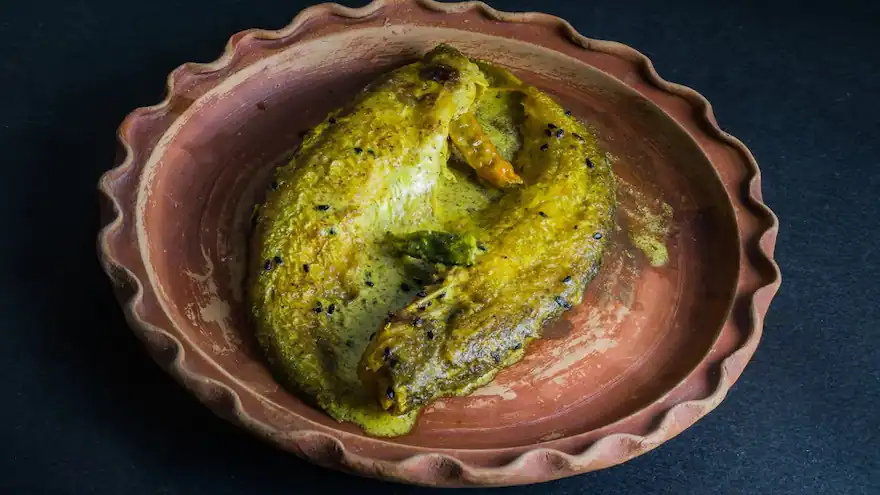
The hilsa fish holds a special place in Indian cuisine, particularly in Bengal, where it represents heritage, celebration and exceptional flavour. Known for its rich taste and delicate texture, this prized river fish also offers several nutritional benefits. Whether you wish to prepare it for a festive meal or include it in your regular diet, understanding its health value and the right cooking techniques helps you enjoy it at its best.
Health Benefits of Hilsa Fish
The hilsa fish is a valuable source of high-quality protein, making it an excellent choice for supporting muscle health and overall wellbeing. It is naturally rich in omega-3 fatty acids, which contribute to heart health and help maintain normal brain function. These healthy fats also support joint health and may help reduce inflammation as part of a balanced diet.
Hilsa also contains essential vitamins and minerals, including vitamin D, vitamin B12, selenium and phosphorus. These nutrients support bone strength, energy production and immunity. Since the fish contains healthy natural fats, it remains flavourful without requiring excessive oil during cooking.
Cooking Tips for the Best Results
Preparing hilsa requires care because of its delicate flesh and fine bones. Fresh fish delivers the best flavour, so look for bright eyes, shiny skin and a clean aroma when buying it.
Traditional Bengali recipes usually rely on mustard paste, green chillies and mustard oil to enhance the natural taste instead of overpowering it. Avoid overcooking, as prolonged heat can make the flesh dry and reduce its characteristic softness. Gentle simmering or steaming preserves both texture and flavour.
Freshly ground spices also play an important role. Carefully balanced spice blends enhance the fish while allowing its distinctive taste to remain the highlight of the dish.
Traditional Bengali Hilsa Recipes
Bengali cuisine celebrates hilsa through a variety of recipes, each reflecting regional cooking traditions.
Ilish Bhapa features steamed hilsa coated in mustard paste, green chillies and mustard oil, creating a simple yet flavourful preparation.
Ilish Paturi wraps marinated fish in banana leaves before steaming, allowing the fish to absorb subtle earthy aromas.
Ilish Tel Jhal combines mustard oil, spices and green chillies to produce a light yet aromatic curry that pairs perfectly with steamed rice.
The quality of spices significantly influences these dishes. Carefully selected spice blends from Sunrise Spices help create authentic flavours while maintaining consistency across traditional recipes. Their range complements classic Bengali cooking without masking the natural richness of hilsa.
Conclusion
The hilsa fish offers far more than its celebrated taste. It provides valuable nutrients, supports a balanced diet and forms the centrepiece of many cherished Bengali recipes. With fresh ingredients, careful cooking methods and thoughtfully selected seasonings from Sunrise Spices, you can prepare authentic dishes that honour this culinary tradition while delivering exceptional flavour in every serving.
FAQs
- Why is hilsa fish considered healthy?
Hilsa fish is rich in high-quality protein, omega-3 fatty acids, vitamin D and vitamin B12. These nutrients support heart health, brain function, bone strength and overall wellbeing when included as part of a balanced diet. - What is the best way to cook hilsa fish?
The best way to cook hilsa fish is by using gentle methods such as steaming or light simmering. Traditional Bengali recipes often combine mustard paste, mustard oil and green chillies to enhance the fish’s natural flavour without overcooking it. - Which spices pair well with hilsa fish?
Mustard, turmeric, red chilli powder and green chillies are commonly used to prepare hilsa fish in Bengali cuisine. Using fresh, high-quality spice blends, such as those from sunrise spices, helps create authentic flavour while complementing the richness of the fish.
