
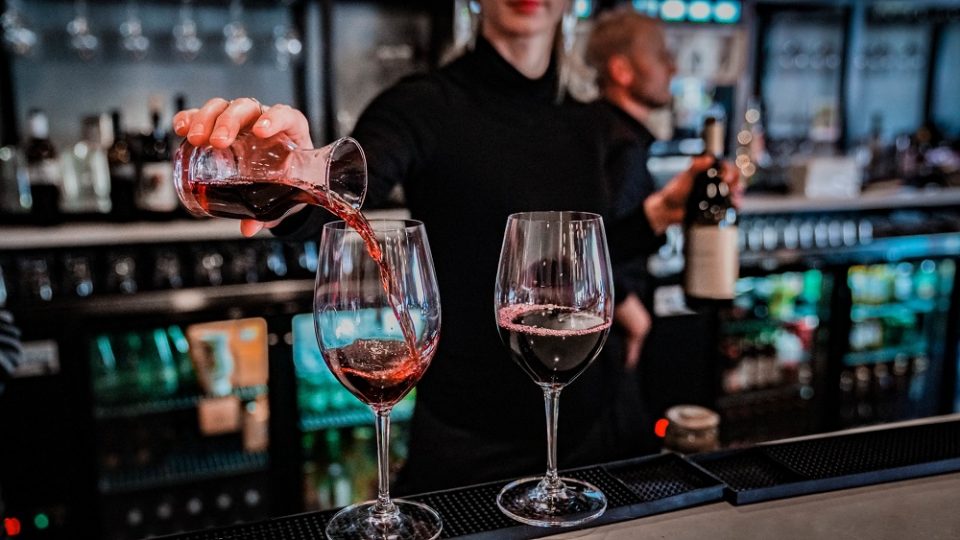
Understanding bar culture and wine appreciation does not require formal training or expensive bottles. With the right foundation, anyone can learn how to select wines confidently, set up a functional home bar, and serve drinks that feel thoughtful and well-balanced. Whether you are hosting guests, exploring wine regions, or improving your pairing skills, practical knowledge makes the experience more enjoyable and rewarding.
This guide explains essential bar basics, wine fundamentals, serving techniques, and smart strategies for creating memorable drinking experiences at home or in social settings.
Understanding the Role of a Bar in Modern Entertaining
A well-organized bar is more than a place to store bottles. It becomes a focal point for conversation and hospitality. Even a small bar cart can support a wide range of drinks if stocked thoughtfully.
A functional bar setup usually includes:
- Basic spirits
- Wine selection
- Glassware
- Mixing tools
- Garnishes
Creating a bar area signals preparation and care for guests. It also makes hosting smoother because everything needed is within reach.
Thoughtful presentation often matters as much as the drinks themselves.
Essential Spirits Every Home Bar Should Include
A balanced bar begins with a small but versatile selection of spirits. These bottles support dozens of classic drinks without overwhelming storage space.
Consider including:
- Vodka for neutral cocktails
- Gin for aromatic drinks
- Whiskey for depth and warmth
- Rum for tropical or refreshing mixes
- Tequila for bright citrus-based cocktails
These five spirits form the backbone of most classic recipes served in homes and restaurants across the country.
Choosing mid-range quality bottles usually delivers the best balance between flavor and value.
Wine Basics Everyone Should Know
Wine can seem complicated at first, but understanding a few fundamentals makes selection much easier.
Wine is generally grouped into three main categories:
- Red wine
- White wine
- Rosé wine
Each category offers different flavor profiles and serving uses.
Red wines often feature deeper flavors such as berries, spice, and oak. White wines usually highlight citrus, orchard fruit, and floral notes. Rosé wines combine freshness with subtle fruit character.
Recognizing these differences helps you match wines with meals more effectively.
Popular Types of Red Wine to Know
Red wine varieties vary widely in body, acidity, and tannin structure. Learning the most common styles helps you choose confidently.
Popular red wines include:
- Cabernet Sauvignon with bold structure and dark fruit flavors
- Merlot with smooth texture and plum notes
- Pinot Noir with lighter body and bright acidity
- Syrah with peppery intensity and rich color
Each variety complements different foods and occasions.
For example, Cabernet Sauvignon pairs well with grilled meats, while Pinot Noir complements roasted vegetables and poultry.
Popular Types of White Wine to Know
White wines range from crisp and refreshing to creamy and complex.
Common white wine varieties include:
- Chardonnay with apple and vanilla notes depending on aging style
- Sauvignon Blanc with bright citrus character
- Riesling with floral aromas and balanced sweetness
- Pinot Grigio with light and clean structure
These wines work well with seafood, salads, and lighter meals.
Serving white wines at the correct temperature improves flavor clarity and aroma expression.
Understanding Wine Sweetness Levels
Sweetness is one of the most misunderstood aspects of wine selection. Not all white wines are sweet, and not all red wines are dry.
Wine sweetness typically falls into these categories:
- Dry
- Off dry
- Semi sweet
- Sweet
Dry wines contain very little residual sugar and taste crisp rather than sugary. Semi sweet wines offer mild fruit sweetness that appeals to many new wine drinkers.
Knowing these categories helps avoid selecting wines that do not match personal taste preferences.
Choosing the Right Glassware for Wine Service
Glassware plays a surprisingly important role in how wine tastes and smells.
Different shapes help guide aroma toward the nose and improve the drinking experience.
Essential wine glasses include:
- Red wine glasses with wider bowls
- White wine glasses with narrower openings
- Universal glasses for casual use
Using stemmed glasses helps maintain temperature by preventing body heat from warming the wine too quickly.
Even basic glassware upgrades can noticeably improve presentation and enjoyment.
How to Store Wine Properly at Home
Wine storage affects both flavor and longevity. While professional wine cellars are ideal, simple home storage practices work well for most households.
Follow these guidelines:
- Keep bottles away from direct sunlight
- Store wine in a cool environment
- Avoid frequent temperature changes
- Store cork-sealed bottles horizontally
Stable conditions protect aroma and prevent premature aging.
For short-term storage, a kitchen cabinet away from appliances often works well.
Understanding Wine Pairing with Food
Food pairing enhances both the meal and the wine. Matching intensity and flavor balance creates the most satisfying combinations.
Basic pairing principles include:
- Match light wines with light foods
- Pair bold wines with rich dishes
- Balance acidity with fatty ingredients
- Complement sweetness with spice
Examples include pairing Sauvignon Blanc with seafood or Merlot with roasted meats.
Experimentation helps refine personal preferences over time.
Creating a Balanced Wine Selection for Guests
Offering variety ensures guests find something they enjoy.
A simple hosting selection often includes:
- One red wine
- One white wine
- One sparkling option
Sparkling wine adds versatility because it pairs with many foods and works well for celebrations.
Keeping choices approachable encourages guests to explore without feeling overwhelmed.
Basic Tools That Improve Wine Service
A few affordable tools make serving easier and more professional.
Helpful wine accessories include:
- Corkscrew opener
- Wine stopper
- Aerator
- Decanter
- Wine thermometer
A decanter improves aroma development in many red wines. Aerators provide a quicker alternative for everyday use.
Temperature control also improves taste clarity and structure.
Understanding Wine Labels Without Confusion
Wine labels often contain helpful clues about style and origin.
Key details to look for include:
- Grape variety
- Region of origin
- Vintage year
- Alcohol percentage
Regions often signal flavor expectations. For example, cooler climates usually produce wines with higher acidity, while warmer climates create fuller body wines.
Learning to read labels builds confidence during shopping.
Building Confidence When Ordering Wine at a Restaurant
Ordering wine becomes easier with a simple strategy.
Start by considering:
- Food selections at the table
- Preferred flavor intensity
- Budget range
Restaurant staff can recommend wines that match both preferences and dishes.
Choosing a familiar grape variety is often the safest starting point.
Confidence improves quickly through repeated exposure and experimentation.
Developing Personal Taste Over Time
Wine appreciation is personal rather than technical.
Keeping track of favorite wines helps identify patterns in preference.
Consider noting:
- Body level
- Sweetness level
- Flavor characteristics
- Region of origin
Over time, these observations guide smarter selections and reduce uncertainty.
Exploring wine gradually makes the learning process enjoyable rather than overwhelming.
FAQ Section
What is the difference between table wine and fine wine
Table wine usually refers to everyday drinking wines with moderate alcohol content and simple flavor profiles, while fine wine typically reflects higher quality production methods, aging potential, and regional distinction.
How long can an opened bottle of wine last
Most opened wines remain fresh for two to four days when stored in the refrigerator with a stopper. Sparkling wines typically last one to two days after opening.
Does expensive wine always taste better
Price does not always guarantee better taste. Personal preference plays a large role, and many moderately priced wines offer excellent quality and balance.
What temperature should red wine be served at
Red wine is generally best served slightly below room temperature, usually between sixty and sixty five degrees Fahrenheit.
Is sparkling wine only for celebrations
Sparkling wine pairs well with many everyday foods including fried dishes, seafood, and light appetizers, making it suitable for casual meals as well as celebrations.
Can wine improve with age at home
Only certain wines benefit from aging. Most wines available in regular stores are designed for immediate consumption within a few years of purchase.
What is the purpose of swirling wine in the glass
Swirling helps release aromas by increasing exposure to air, which enhances the tasting experience before the first sip.
