
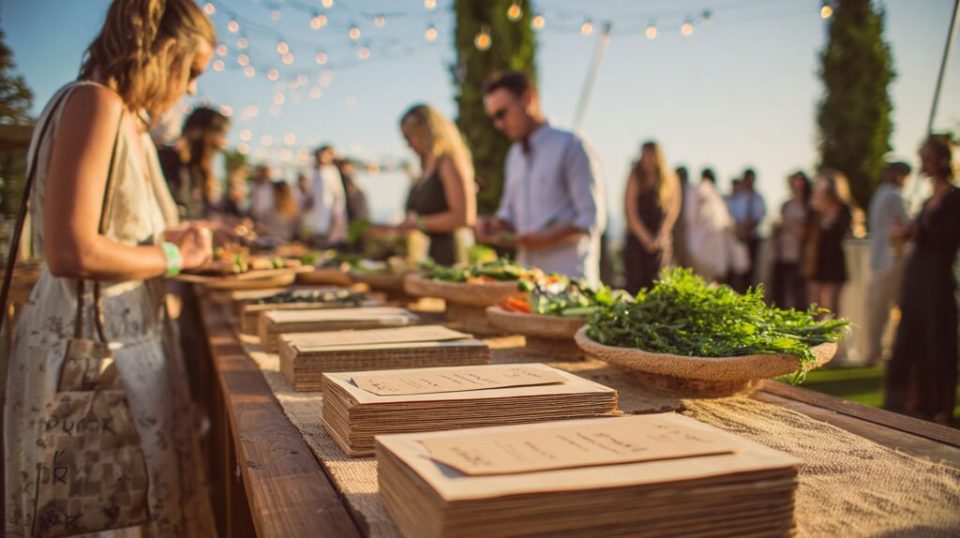
The catering industry has changed dramatically over the past decade. Today’s clients expect more than standard buffet tables and predictable menus. They want immersive food experiences, personalized service, dietary inclusivity, and visually appealing presentations that reflect the tone of their events. From weddings and corporate gatherings to private celebrations and conferences, catering has become a strategic element of event design rather than just a support service.
Modern catering professionals are adapting quickly by embracing innovation, sustainability, customization, and technology. Understanding these emerging trends helps event planners, hospitality professionals, and hosts create memorable dining experiences that meet current expectations.
Interactive Food Stations Are Replacing Traditional Buffets
Traditional buffet setups are gradually being replaced by interactive food stations that allow guests to personalize their meals while engaging with chefs and servers.
Popular interactive station ideas include:
- Build your own taco bars
- Fresh pasta stations prepared on site
- Gourmet slider stations
- Custom salad bars
- Stir fry preparation counters
These stations create movement within the venue and encourage conversation among guests. They also reduce long waiting lines because multiple service points operate simultaneously.
Interactive catering turns meals into experiences rather than simple service routines.
Plant Based Menus Are Becoming Essential Rather Than Optional
Dietary awareness continues to reshape menu planning. Guests increasingly expect plant based alternatives that are creative, satisfying, and visually appealing.
Modern plant based catering options now include:
- Roasted vegetable grain bowls
- Mushroom based entrée selections
- Plant based protein dishes
- Dairy free desserts
- Vegan appetizers with layered flavors
Offering strong vegetarian and vegan selections is no longer viewed as a specialty request. Instead, it is considered a standard expectation at many events.
This shift reflects broader interest in sustainability and health conscious dining.
Locally Sourced Ingredients Are Influencing Menu Design
Sourcing ingredients locally has become a defining trend in event catering. Clients appreciate transparency about where food comes from and how it supports regional producers.
Benefits of local sourcing include:
- Fresher ingredient quality
- Reduced transportation impact
- Seasonal menu creativity
- Support for local farmers and suppliers
Seasonal ingredients also help chefs create menus that feel timely and distinctive rather than repetitive.
Guests increasingly recognize the value of regional produce and often associate it with higher quality dining experiences.
Presentation Has Become a Core Part of Event Branding
Food presentation now plays a central role in shaping guest perception. Events are often photographed extensively, which means catering must look as impressive as it tastes.
Modern presentation techniques include:
- Layered plating designs
- Coordinated color palettes
- Vertical food styling
- Minimalist plate arrangements
- Branded serving displays
Plating aesthetics contribute to the overall event atmosphere and reinforce visual consistency across décor elements.
Caterers now collaborate closely with event designers to align food styling with the event theme.
Customized Menus Are Replacing Standard Packages
Clients increasingly prefer tailored menus instead of fixed catering packages. Customization allows hosts to reflect personal tastes, cultural influences, and event themes.
Customization options often include:
- Cultural fusion menus
- Regional specialties
- Signature cocktails inspired by hosts
- Personalized dessert selections
- Themed appetizer assortments
Flexible menus help create stronger emotional connections between guests and the dining experience.
Customization also allows caterers to stand out in a competitive marketplace.
Technology Is Improving Catering Efficiency and Guest Experience
Technology is transforming both behind the scenes planning and front facing service.
Examples of technology integration include:
- Digital menu planning tools
- Online tasting session coordination
- Guest dietary tracking systems
- Event logistics management platforms
- QR based menu displays
Digital planning improves accuracy and reduces last minute adjustments. It also enhances communication between clients and catering teams.
Some events now use digital displays to highlight ingredient sourcing or menu descriptions, which increases guest engagement.
Smaller Plates and Tasting Style Service Are Growing in Popularity
Large plated meals are gradually being complemented or replaced by small plate service formats that encourage sampling and social interaction.
Benefits of tasting style catering include:
- Greater menu variety
- Increased guest mobility
- Faster service flow
- Better accommodation of dietary needs
Guests often enjoy the opportunity to try multiple dishes instead of committing to a single entrée selection.
This approach also works well for networking events and cocktail receptions.
Sustainability Is Influencing Every Stage of Catering Planning
Environmental responsibility is now a central priority across the catering industry.
Sustainable catering practices include:
- Compostable serving materials
- Reduced food waste planning
- Seasonal ingredient sourcing
- Reusable service equipment
- Portion control strategies
Many clients actively request environmentally responsible catering options as part of event planning.
Caterers that demonstrate sustainability awareness often gain stronger long term client relationships.
Global Cuisine Is Expanding Menu Expectations
Modern event guests are increasingly interested in global flavors that reflect diverse culinary traditions.
Popular international catering inspirations include:
- Mediterranean cuisine selections
- Asian fusion appetizers
- Latin American street food stations
- Middle Eastern mezze platters
Global menus create excitement and encourage exploration.
They also allow hosts to reflect personal travel experiences or cultural backgrounds within their events.
Beverage Pairing Experiences Are Enhancing Event Dining
Catering services now place stronger emphasis on curated beverage pairings that complement menu selections.
Pairing experiences may include:
- Wine matching courses
- Signature mocktail stations
- Craft beverage selections
- Seasonal drink menus
Thoughtful beverage planning elevates overall dining quality and creates memorable moments throughout the event timeline.
Pairings also help guests better appreciate flavor combinations across multiple courses.
Flexible Service Formats Are Supporting Hybrid Event Styles
Modern events often combine formal dining with casual interaction spaces. Catering services now adapt by offering flexible service structures that suit mixed environments.
Examples include:
- Passed appetizers during networking sessions
- Lounge style snack stations
- Dessert tasting corners
- Late evening comfort food service
Flexible service formats allow events to transition smoothly between structured and relaxed moments.
This adaptability helps maintain guest engagement across longer event schedules.
Health Conscious Options Are Becoming a Standard Expectation
Guests increasingly prioritize nutrition without sacrificing flavor.
Health focused catering options often include:
- Whole grain menu components
- Reduced sugar desserts
- Lean protein selections
- Fresh vegetable centered dishes
- Gluten free alternatives
Offering balanced menu choices ensures guests with different dietary preferences feel included and comfortable.
This approach also supports wellness focused corporate events and daytime conferences.
Live Culinary Demonstrations Are Enhancing Guest Engagement
Live cooking demonstrations bring energy and entertainment to modern catering environments.
Examples include:
- Sushi rolling stations
- Flambé dessert preparation
- Fresh pasta shaping demonstrations
- Carving stations for premium proteins
Watching chefs prepare dishes in real time builds anticipation and adds theatrical value to the dining experience.
Interactive preparation also strengthens guest confidence in ingredient freshness and quality.
FAQ Section
How early should catering services be booked for large events
Large events typically require booking catering services three to six months in advance to ensure menu planning flexibility and staff availability.
What factors influence catering pricing the most
Pricing is affected by guest count, menu complexity, service style, staffing requirements, ingredient sourcing, and rental equipment needs.
Are tasting sessions always included before confirming a catering contract
Some caterers include tastings as part of premium packages, while others offer them as optional services depending on event size and budget.
Can catering services accommodate last minute dietary restrictions
Many caterers can adjust individual meals if notified in advance, but last minute changes may depend on ingredient availability and preparation timelines.
What staffing roles are typically included in catering teams
Catering teams often include chefs, service staff, coordinators, setup crews, and cleanup personnel depending on event scale.
Do caterers provide tableware and serving equipment
Some caterers include tableware in packages, while others coordinate rentals through partner vendors depending on event requirements.
How is food safety maintained during off site catering events
Professional catering teams use temperature controlled transport equipment, safe handling procedures, and structured service timelines to maintain food quality and safety standards.
