
Choosing the right catering style is one of the most important decisions in event planning. Food service affects guest comfort, timeline efficiency, budget management, and overall event atmosphere. Two of the most widely used catering formats are buffet service and plated service, each offering distinct advantages depending on the occasion.
Understanding how these service styles differ helps hosts, planners, and organizations select the option that best supports their goals. From weddings and corporate dinners to private celebrations and conferences, the choice between buffet and plated catering shapes the guest experience in meaningful ways.
This guide explores the structure, benefits, challenges, and ideal uses of both catering formats so you can make a confident decision.
Understanding Buffet Catering Service
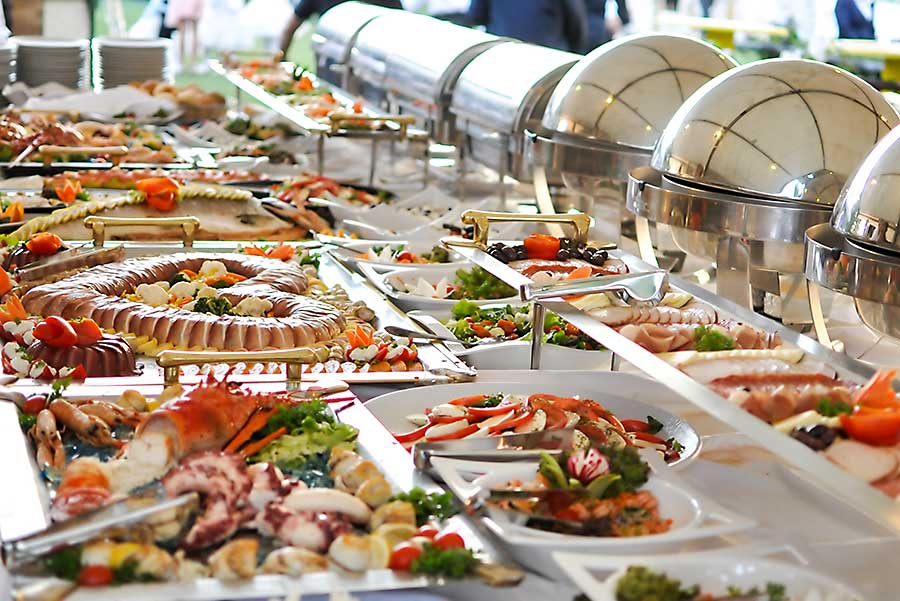
Buffet catering allows guests to serve themselves from a selection of dishes arranged along one or more serving stations. This style encourages flexibility and variety while supporting informal interaction.
Guests typically move through serving stations at their own pace and choose portion sizes based on preference.
Buffet service works well for events where comfort and accessibility are priorities.
Key Features of Buffet Service
Buffet catering typically includes:
- Multiple entrée selections
- Side dish variety
- Self service or assisted service stations
- Flexible portion control
- Continuous food replenishment
Because guests select their own meals, buffets naturally accommodate different appetites and dietary preferences.
This format also supports relaxed event pacing.
Understanding Plated Catering Service
Plated service delivers pre portioned meals directly to seated guests by trained staff. This format creates a structured dining experience that often reflects formal event environments.
Menus are typically selected in advance, allowing caterers to coordinate timing and presentation precisely.
Plated service supports consistency and elegant presentation across all guest tables.
Key Features of Plated Service
Plated catering commonly includes:
- Pre selected entrée options
- Coordinated course timing
- Professional table service staff
- Structured seating arrangements
- Uniform presentation
Because meals arrive simultaneously, plated service supports organized event scheduling.
This style often enhances the perception of sophistication.
Comparing Guest Experience Between Buffet and Plated Service
Guest experience is one of the most important factors when choosing a catering format.
Buffet service offers flexibility and choice. Guests appreciate the opportunity to select portions and explore multiple dishes. This style encourages movement and conversation, making it ideal for social events.
Plated service provides convenience and comfort. Guests remain seated and receive meals without waiting in line. This approach suits formal environments where structured service enhances the atmosphere.
Each format supports different expectations depending on the event tone.
Menu Variety Differences Between the Two Service Styles
Menu flexibility is often greater with buffet service.
Buffets typically offer:
- Multiple entrée options
- Several side dishes
- Vegetarian alternatives
- Customizable portion choices
This variety allows guests to tailor meals according to taste preferences.
Plated service usually includes fewer entrée choices because meals must be coordinated in advance. Guests often select their preferred entrée before the event date.
While plated service limits variety, it improves presentation consistency.
Cost Considerations for Buffet Versus Plated Catering
Budget plays a major role in catering decisions.
Buffet catering is often more cost efficient because:
- Fewer service staff are required
- Meal preparation is centralized
- Portion control is flexible
- Equipment needs are simplified
However, buffets sometimes require additional food quantities to ensure availability throughout service.
Plated catering generally costs more due to:
- Higher staffing requirements
- Course coordination complexity
- Table service labor
- Presentation preparation time
Despite higher costs, plated service often delivers stronger visual impact and smoother scheduling.
Event Timing and Flow Differences
Buffet service allows guests to move through meal service at their own pace. This flexibility works well for networking events, casual receptions, and celebrations with varied arrival times.
However, buffet lines can occasionally create short waiting periods depending on guest volume and station layout.
Plated service supports controlled scheduling. Because meals are delivered simultaneously, organizers can coordinate speeches, presentations, and entertainment more effectively.
This structured timing benefits corporate events and weddings with formal programs.
Space Requirements for Each Catering Format
Venue size influences which service style works best.
Buffet catering requires additional space for:
- Serving tables
- Guest movement pathways
- Station access points
Larger venues often support buffet layouts more comfortably.
Plated service uses dining tables as the primary service area. Because guests remain seated, this format can work efficiently in venues with limited movement space.
Careful floor planning ensures smooth service regardless of format.
Staffing Requirements and Service Coordination
Staffing levels differ significantly between buffet and plated catering.
Buffet service typically requires:
- Setup staff
- Food station attendants
- Replenishment support
- Cleanup personnel
Plated service requires:
- Table service staff
- Course coordination teams
- Kitchen timing support
- Event service supervisors
Higher staffing levels increase service precision but also affect overall cost.
Professional coordination ensures timely delivery across all tables.
Presentation and Visual Impact Differences
Presentation influences how guests perceive catering quality.
Buffet service emphasizes abundance and variety. Decorative serving displays enhance visual appeal and encourage exploration.
Plated service emphasizes elegance and precision. Uniform presentation across all tables reinforces a refined dining atmosphere.
Formal events often benefit from plated presentation consistency.
Casual celebrations often benefit from buffet flexibility.
Dietary Accommodation Flexibility
Buffet catering naturally supports dietary inclusivity.
Guests can select dishes that match:
- Vegetarian preferences
- Gluten free needs
- Allergy considerations
- Portion preferences
This flexibility reduces the need for individual meal coordination.
Plated catering requires advance dietary planning. Caterers prepare alternative meals for guests with restrictions, which must be communicated before the event date.
Both formats support dietary accommodations when planned carefully.
Ideal Events for Buffet Catering
Buffet catering works particularly well for:
- Family celebrations
- Networking receptions
- Graduation parties
- Community gatherings
- Informal weddings
These environments benefit from relaxed service flow and menu variety.
Buffets also support interactive food station concepts that enhance guest engagement.
Ideal Events for Plated Catering
Plated catering is especially suitable for:
- Formal weddings
- Corporate galas
- Award ceremonies
- Fundraising dinners
- Executive meetings
Structured service enhances professionalism and supports event timelines.
Plated meals also reinforce premium hospitality experiences.
Hybrid Catering Approaches Are Becoming More Popular
Many modern events combine buffet and plated elements.
Common hybrid approaches include:
- Buffet appetizers followed by plated entrées
- Plated main courses with dessert stations
- Cocktail hour grazing tables before seated service
- Late evening snack stations after formal dinners
Hybrid formats allow planners to balance flexibility with elegance.
This approach supports dynamic event pacing.
Choosing the Right Catering Style for Your Event Goals
Selecting between buffet and plated service depends on several practical factors.
Consider:
- Event formality level
- Guest count
- Budget range
- Venue layout
- Timeline structure
- Dietary diversity
Aligning catering format with these priorities improves guest satisfaction and service efficiency.
Thoughtful planning ensures the chosen format supports both logistics and atmosphere.
FAQ Section
Which catering style works best for large guest lists
Buffet catering often works better for large guest counts because it allows multiple service points and flexible portion selection, reducing pressure on coordinated delivery timing.
Can buffet service feel formal enough for upscale events
Yes. With professional presentation, coordinated décor, and staffed service stations, buffet catering can support elegant event environments.
How far in advance should entrée selections be collected for plated service
Most caterers request entrée selections two to four weeks before the event to allow accurate preparation planning and ingredient sourcing.
Does buffet catering increase food waste compared to plated service
Buffets can increase waste if portion planning is not managed carefully, but experienced caterers use forecasting strategies to minimize leftovers.
Is plated service faster than buffet service overall
Plated service delivers meals simultaneously once service begins, which can make the dining portion of the event timeline more predictable.
Can children be accommodated more easily with buffet catering
Yes. Buffets allow children to choose familiar foods and adjust portion sizes comfortably.
Do hybrid catering formats increase overall event costs
Hybrid formats sometimes increase costs due to additional service coordination, but they often improve guest experience and event flexibility.
