
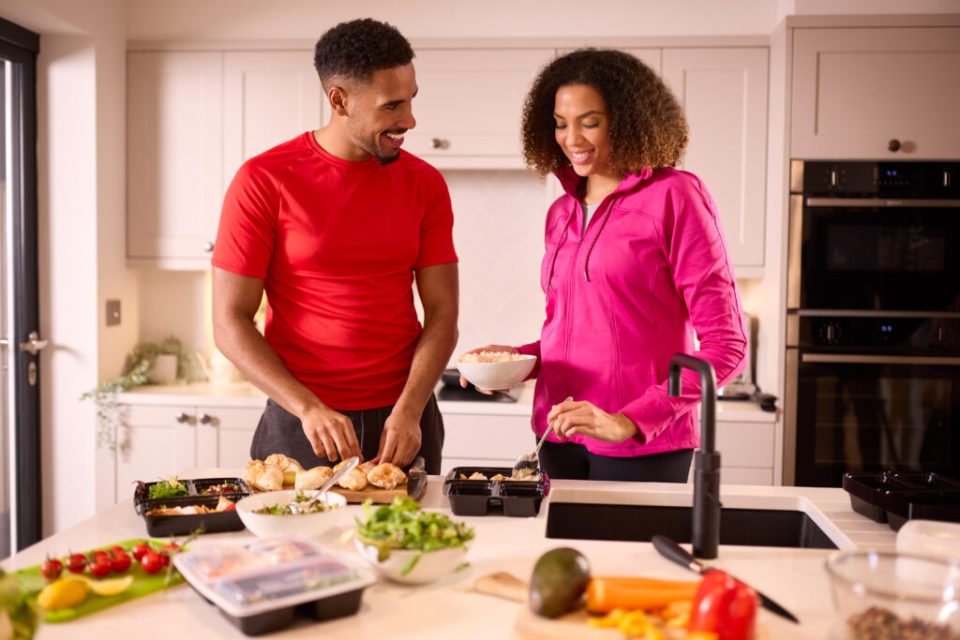
Preparing meals quickly does not mean sacrificing flavor, nutrition, or quality. With the right habits, planning methods, and kitchen strategies, home cooks can significantly reduce cooking time while still producing satisfying meals. Faster meal preparation depends less on speed and more on organization, smart ingredient choices, and efficient workflows.
Whether cooking for a family, managing a busy schedule, or trying to avoid last minute takeout decisions, practical time saving kitchen habits make everyday cooking easier and more enjoyable.
Below are reliable strategies that help streamline cooking routines without compromising results.
Plan Meals Before the Week Begins
Meal planning is one of the most effective ways to reduce time spent cooking during busy days. Knowing what to prepare ahead of time eliminates unnecessary decision making.
Weekly planning helps:
- Reduce grocery trips
- Prevent ingredient shortages
- Limit food waste
- Improve preparation efficiency
When meals are planned in advance, ingredient preparation becomes faster because everything is already organized.
Meal planning also encourages balanced nutrition and consistent cooking routines.
Prepare Ingredients in Advance
Ingredient preparation before cooking reduces time spent standing at the stove. Washing, chopping, and measuring ingredients early allows cooking to move smoothly.
Helpful preparation habits include:
- Chopping vegetables ahead of time
- Marinating proteins in advance
- Measuring dry ingredients early
- Storing ready to cook components in containers
These small steps save valuable minutes during busy evenings.
Prepped ingredients also reduce distractions during cooking.
Keep Essential Tools Within Reach
Searching for tools interrupts cooking flow and slows preparation. Keeping commonly used equipment nearby improves efficiency.
Important tools to keep accessible include:
- Chef knife
- Cutting board
- Mixing bowls
- Measuring spoons
- Cooking spatula
Organized workspaces support faster decision making and smoother preparation steps.
Even small adjustments to tool placement improve workflow.
Use One Pan and One Pot Recipes When Possible
Cooking fewer dishes saves both time and cleanup effort.
One pan and one pot meals allow ingredients to cook together efficiently. These recipes are especially helpful on busy weekdays.
Examples include:
- Stir fry meals
- Sheet pan roasted vegetables with protein
- Pasta dishes cooked in one pot
- Rice based skillet meals
Combining ingredients into fewer cooking steps simplifies preparation and reduces kitchen clutter.
This approach also improves ingredient flavor blending.
Choose Ingredients That Cook Quickly
Some ingredients cook faster than others. Selecting quicker cooking components helps reduce overall preparation time.
Fast cooking ingredients include:
- Thin sliced chicken
- Ground meats
- Shrimp
- Zucchini
- Spinach
- Mushrooms
Pairing these ingredients with simple cooking techniques creates meals in less time.
Ingredient selection plays a major role in preparation speed.
Keep a Well Stocked Pantry
A stocked pantry reduces reliance on last minute grocery trips.
Essential pantry staples often include:
- Rice
- Pasta
- Canned beans
- Cooking oils
- Dried herbs
- Broth
With these ingredients available, meals can be assembled quickly even when fresh ingredients are limited.
Pantry readiness supports flexibility and creativity.
Learn Basic Knife Skills to Speed Up Preparation
Knife efficiency dramatically reduces preparation time. Clean cuts improve cooking speed because ingredients cook evenly.
Practicing knife skills helps:
- Reduce chopping time
- Improve ingredient consistency
- Increase cooking confidence
- Support safer preparation
Even small improvements in cutting technique create noticeable time savings.
Consistent practice strengthens accuracy.
Cook Larger Portions for Future Meals
Batch cooking allows one cooking session to support multiple meals.
Preparing extra portions helps:
- Reduce daily cooking time
- Simplify lunch planning
- Support freezer storage meals
- Improve weekly efficiency
Batch cooking works especially well with soups, grains, roasted vegetables, and proteins.
Planning leftovers intentionally transforms them into future meal components.
Use the Right Pan Size for Faster Cooking
Pan size affects cooking speed more than many people realize.
Using the correct pan:
- Prevents overcrowding
- Improves browning
- Reduces moisture buildup
- Speeds cooking time
Crowded pans trap steam and slow ingredient cooking.
Choosing appropriate cookware improves both texture and efficiency.
Clean as You Cook to Maintain Workflow
Cleaning during preparation keeps the workspace organized and prevents delays later.
Helpful habits include:
- Washing cutting boards early
- Clearing used utensils
- Wiping surfaces between steps
- Organizing ingredients after use
Maintaining order reduces distractions and supports faster cooking decisions.
A clean workspace improves concentration.
Use Pre Washed and Pre Cut Ingredients When Needed
Convenience ingredients save valuable preparation time.
Examples include:
- Pre washed greens
- Pre cut vegetables
- Frozen vegetables
- Cooked grains
These options support quick meals without sacrificing nutrition.
Using convenience ingredients strategically improves efficiency during busy schedules.
Multitask Carefully While Cooking
Preparing multiple components simultaneously reduces overall cooking time.
Effective multitasking includes:
- Boiling water while chopping vegetables
- Preparing sauces during roasting
- Setting tables while ingredients cook
- Washing utensils between steps
Balanced multitasking improves kitchen productivity without creating confusion.
Timing awareness strengthens cooking rhythm.
Keep Frequently Used Ingredients Visible and Accessible
Accessibility improves preparation speed.
Keeping commonly used items nearby reduces movement across the kitchen.
Examples include:
- Cooking oils near the stove
- Salt and pepper within reach
- Frequently used spices visible
- Mixing bowls stored together
Simple organization adjustments support faster workflow decisions.
Efficiency improves naturally with better layout planning.
Use Timers to Stay on Schedule
Timers help coordinate multiple cooking tasks effectively.
Setting timers supports:
- Preventing overcooking
- Managing overlapping steps
- Tracking roasting times
- Coordinating stovetop tasks
Timers reduce guesswork and improve consistency.
Reliable timing improves confidence in meal preparation.
FAQ Section
What is the fastest cooking method for busy evenings
Stir frying is one of the fastest cooking methods because ingredients cook quickly at high heat while maintaining texture and flavor.
Can frozen vegetables reduce cooking time without affecting quality
Yes. Frozen vegetables are pre cleaned and pre cut, making them convenient while still retaining nutrients.
How can beginners cook faster without making mistakes
Preparing ingredients before cooking and following simple recipes with fewer steps helps beginners improve speed safely.
Does cooking in advance affect food freshness
Many foods remain fresh when stored properly in airtight containers and refrigerated promptly after cooling.
Are meal kits helpful for faster cooking routines
Meal kits can save preparation time by providing pre measured ingredients and structured instructions.
Should sauces be prepared ahead of time
Preparing sauces early helps reduce last minute work and improves meal timing coordination.
How can kitchen layout influence cooking speed
Efficient kitchen layouts reduce unnecessary movement and make tools easier to access, which improves overall preparation time.
