
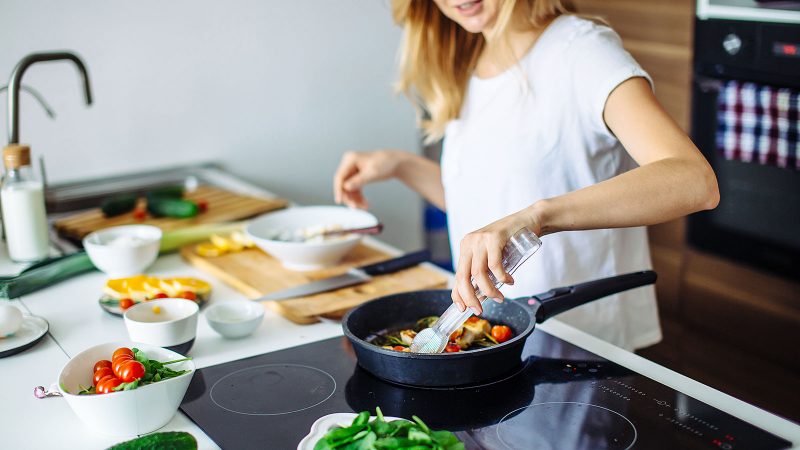
Across households in the United States and beyond, homemade food is returning to the center of everyday life. While restaurant dining and convenience meals remain popular, more people are rediscovering the value of cooking at home. This shift reflects changing priorities around health, affordability, flexibility, and personal connection to food.
Homemade meals are no longer seen as time consuming obligations. Instead, they are increasingly viewed as practical choices that support better nutrition, stronger routines, and meaningful family interaction. Understanding why homemade cooking is regaining momentum helps explain how food culture continues to evolve.
Rising Awareness About Ingredient Quality
One of the strongest reasons people are returning to homemade food is growing awareness about ingredient quality. Preparing meals at home allows individuals to control exactly what goes into their dishes.
Homemade cooking supports:
- Reduced reliance on processed ingredients
- Better awareness of portion sizes
- Lower intake of added sugars and sodium
- Greater flexibility in selecting fresh produce
This level of control helps people make informed decisions about nutrition.
As interest in food transparency increases, home cooking becomes an appealing solution.
Cost Savings Are Encouraging More Home Cooking
Food budgets have become an important consideration for many households. Dining out frequently can quickly increase monthly expenses.
Cooking at home often provides:
- Lower cost per serving
- Better ingredient value
- Reduced reliance on packaged meals
- Opportunities to reuse leftovers
Preparing meals at home also allows families to buy ingredients in bulk and stretch them across multiple dishes.
This financial flexibility supports long term budgeting goals.
Flexible Meal Planning Supports Busy Lifestyles
Many people assume home cooking requires large time commitments. In reality, flexible meal planning makes it easier to prepare homemade meals even with demanding schedules.
Practical planning strategies include:
- Preparing ingredients in advance
- Cooking extra portions for later meals
- Using freezer friendly recipes
- Rotating simple weekly menus
These strategies help households maintain consistent cooking routines without daily stress.
Flexible planning encourages sustainable habits.
Health Conscious Eating Is Driving the Shift
Interest in balanced nutrition has increased significantly in recent years. Homemade meals allow individuals to adjust ingredients according to personal dietary needs.
Home cooking supports:
- Lower intake of highly processed foods
- Improved portion awareness
- Greater vegetable consumption
- Better control of cooking oils and seasonings
This level of customization helps people align meals with wellness goals.
As awareness of nutrition grows, homemade food becomes a practical choice rather than a lifestyle luxury.
Families Are Reconnecting Through Shared Meals
Preparing meals together creates opportunities for communication and cooperation within families.
Shared cooking routines encourage:
- Skill development for children
- Stronger family interaction
- More structured daily schedules
- Positive food habits across generations
Family participation also helps younger household members develop confidence in the kitchen.
These shared experiences strengthen long term cooking traditions.
Technology Is Making Homemade Cooking Easier
Digital tools have simplified the cooking process in ways that were not possible in earlier decades.
Technology now supports home cooks through:
- Step by step recipe apps
- Grocery delivery services
- Online cooking tutorials
- Meal planning platforms
These tools reduce preparation barriers and increase confidence for beginners.
Access to reliable information encourages experimentation with new recipes.
Cultural Traditions Are Inspiring Home Kitchens Again
Many households are rediscovering cultural recipes that were once central to family traditions.
Preparing traditional dishes supports:
- Preservation of culinary heritage
- Passing recipes between generations
- Celebration of cultural identity
- Stronger emotional connection to food
These traditions help maintain continuity across generations.
Home kitchens often become spaces where family history is shared through cooking.
Greater Interest in Sustainability Is Encouraging Homemade Meals
Environmental awareness continues to influence food choices.
Cooking at home often supports sustainability by:
- Reducing packaging waste
- Supporting local ingredient purchases
- Limiting single use containers
- Encouraging seasonal cooking
These practices help households make environmentally responsible decisions without major lifestyle changes.
Sustainability goals often align naturally with home cooking routines.
Customization Is Easier with Homemade Cooking
One advantage of homemade meals is the ability to adjust recipes according to taste preferences.
Customization allows cooks to:
- Control spice levels
- Modify ingredient combinations
- Adjust portion sizes
- Replace allergens
- Explore creative variations
This flexibility supports both beginners and experienced cooks.
Customized meals often feel more satisfying because they reflect personal preferences.
Social Media Is Influencing Home Cooking Trends
Online platforms have changed how people approach cooking at home.
Social sharing encourages:
- Recipe experimentation
- Ingredient exploration
- Visual presentation improvements
- Confidence building through community learning
Seeing approachable home cooking examples motivates people to try new dishes.
Digital communities also provide inspiration for everyday meals.
Homemade Food Supports Long Term Skill Development
Cooking regularly at home strengthens practical life skills that benefit individuals throughout adulthood.
Skill development includes:
- Ingredient preparation techniques
- Flavor balancing awareness
- Time management in the kitchen
- Budget conscious grocery planning
These abilities increase independence and confidence.
Regular cooking practice transforms routine meals into learning opportunities.
Comfort and Familiarity Are Influencing Food Choices
Homemade meals often provide emotional comfort that restaurant meals cannot always match.
Familiar dishes support:
- Consistent routines
- Personal preference satisfaction
- Family traditions
- Seasonal celebrations
Comfort food prepared at home often reflects meaningful experiences and memories.
These emotional connections continue to influence cooking habits across generations.
FAQ Section
Why did homemade cooking decline in previous decades
Changes in work schedules, increased availability of convenience foods, and growth in restaurant culture contributed to reduced home cooking in earlier years.
Are homemade meals always healthier than restaurant meals
Homemade meals are often healthier because cooks control ingredients and portion sizes, but nutrition still depends on recipe choices.
How can beginners start cooking more meals at home
Starting with simple recipes, planning weekly meals, and preparing ingredients ahead of time helps beginners build confidence gradually.
Does cooking at home take more time than ordering food
While some meals require preparation time, planning ahead and using simple recipes can make home cooking efficient and manageable.
Can homemade cooking reduce food waste
Yes. Planning meals and using leftovers effectively helps households reduce unused ingredients.
Is homemade cooking suitable for small households
Yes. Cooking at home works well for individuals and small households through batch cooking and portion planning strategies.
How can families encourage children to participate in cooking
Assigning simple preparation tasks and involving children in ingredient selection helps build interest and confidence in the kitchen.
