
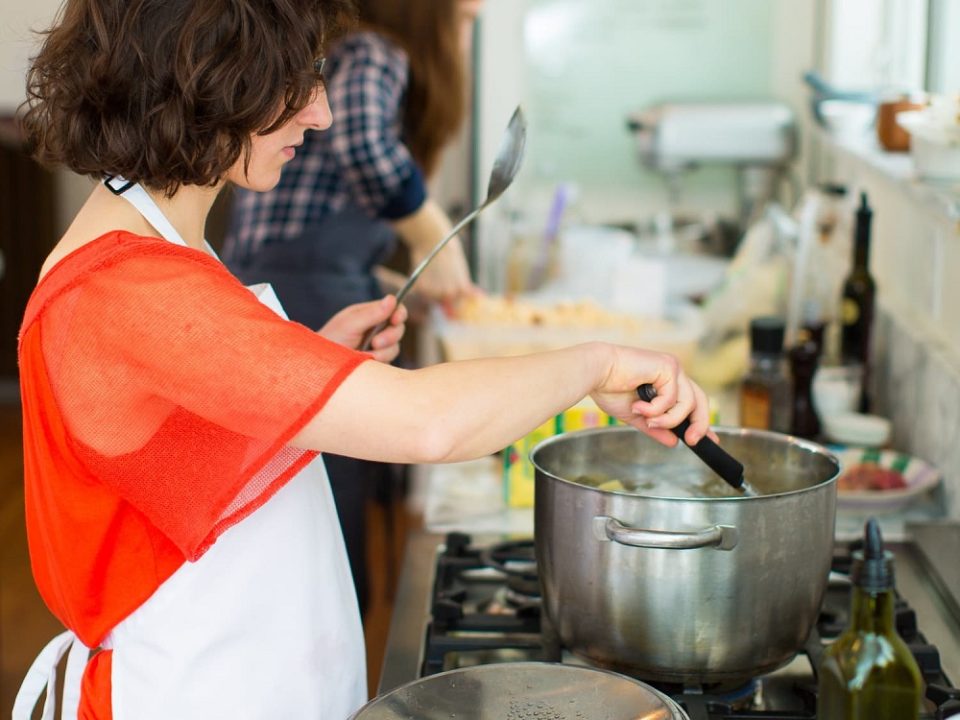
Improving cooking skills does not require professional training or complicated recipes. Most progress happens through small daily habits that build confidence, accuracy, and efficiency over time. Home cooks who develop consistent kitchen routines often notice better flavor balance, smoother preparation workflows, and stronger control over ingredients.
The following habits are practical, realistic, and effective for cooks at any experience level. By applying them regularly, anyone can transform everyday meals into more reliable and enjoyable results.
Organize Ingredients Before You Start Cooking
One of the most effective habits in cooking is preparing ingredients before turning on the stove. This approach improves timing and prevents mistakes during the cooking process.
Professional kitchens call this method mise en place, which means placing everything in order before cooking begins.
Benefits of preparing ingredients early include:
- Reduced stress while cooking
- Improved recipe accuracy
- Better timing coordination
- Cleaner workspace management
When ingredients are measured, chopped, and arranged ahead of time, the cooking process becomes smoother and more enjoyable.
Read Recipes Completely Before Starting
Many cooking mistakes happen because steps are skipped or misunderstood. Reading the full recipe before beginning helps avoid confusion later.
This habit allows cooks to:
- Identify preparation steps in advance
- Confirm ingredient availability
- Estimate total cooking time
- Plan equipment usage
Understanding the recipe flow improves confidence and prevents rushed decision making during cooking.
Careful reading also helps identify steps that can be prepared ahead of time.
Keep Knives Sharp and Safe to Use
Sharp knives are essential for safe and efficient cooking. Many home cooks assume dull knives are safer, but the opposite is true.
Sharp knives:
- Cut more accurately
- Require less pressure
- Reduce slipping risk
- Improve ingredient appearance
Maintaining sharp blades also makes vegetable preparation faster and more consistent.
Learning basic knife handling techniques improves both safety and presentation quality.
Taste Food Throughout the Cooking Process
Tasting regularly is one of the most valuable habits a cook can develop. Flavor balance changes during cooking, and early adjustments lead to better results.
Tasting helps cooks:
- Adjust seasoning gradually
- Monitor texture changes
- Prevent over salting
- Improve ingredient balance
Waiting until the final step to taste food limits the ability to correct mistakes.
Frequent tasting builds intuition about seasoning and ingredient interaction.
Clean As You Cook to Stay Organized
Cleaning during cooking keeps the workspace manageable and reduces stress at the end of the meal.
Helpful cleaning habits include:
- Washing utensils between steps
- Clearing unused ingredients
- Wiping surfaces regularly
- Organizing tools after use
A clean workspace improves focus and prevents clutter from interfering with cooking tasks.
This habit also speeds up final kitchen cleanup.
Measure Ingredients Carefully When Learning New Recipes
Accurate measurement improves consistency, especially when trying unfamiliar recipes.
Measuring ingredients carefully helps:
- Maintain flavor balance
- Avoid texture problems
- Improve baking success
- Build confidence with new dishes
As experience grows, cooks often rely more on visual estimation. However, accurate measurement remains valuable when learning new techniques.
Consistency creates reliable cooking outcomes.
Learn Basic Cooking Techniques Instead of Memorizing Recipes
Understanding cooking techniques builds flexibility in the kitchen.
Important foundational techniques include:
- Sautéing vegetables evenly
- Simmering sauces gently
- Roasting ingredients for flavor depth
- Browning proteins properly
Learning these methods allows cooks to adapt recipes confidently instead of relying strictly on instructions.
Technique knowledge improves creativity and independence.
Keep Pantry Staples Well Stocked
A reliable pantry makes everyday cooking faster and more convenient.
Essential pantry items often include:
- Cooking oils
- Salt and pepper
- Garlic and onions
- Dried herbs
- Rice and pasta
- Canned tomatoes
Having these ingredients available supports spontaneous cooking and reduces last minute shopping trips.
A stocked pantry also encourages experimentation with flavors.
Practice Proper Heat Control
Heat control plays a major role in cooking success. Many cooking problems happen because temperature levels are misunderstood.
Learning when to use:
- Low heat for gentle cooking
- Medium heat for balanced sautéing
- High heat for browning
helps improve texture and flavor dramatically.
Understanding heat behavior prevents burning and uneven cooking.
Practicing temperature awareness leads to better timing decisions.
Use Fresh Ingredients Whenever Possible
Fresh ingredients often provide stronger flavor and better texture than processed alternatives.
Fresh produce improves:
- Aroma quality
- Color presentation
- Nutritional value
- Dish balance
While pantry ingredients remain useful, combining them with fresh elements creates more satisfying meals.
Shopping regularly for fresh produce supports better cooking habits.
Keep Notes About Successful Dishes
Recording small adjustments helps refine cooking techniques over time.
Notes can include:
- Ingredient substitutions
- Cooking time changes
- Flavor improvements
- Serving suggestions
Tracking results builds personal recipe confidence.
Over time, these notes become a valuable cooking reference.
Practice Consistency Rather Than Complexity
Many cooks believe complicated recipes produce better meals. In reality, consistency leads to the greatest improvement.
Focus on repeating:
- Knife techniques
- Seasoning balance
- Timing awareness
- Ingredient preparation routines
Simple dishes prepared well often taste better than complicated meals prepared inconsistently.
Confidence develops through repetition.
Plan Meals Before Grocery Shopping
Meal planning improves both efficiency and cooking success.
Planning helps:
- Reduce food waste
- Save time during busy days
- Improve ingredient organization
- Support balanced nutrition
Knowing what meals will be prepared each week reduces last minute decisions that can interrupt cooking routines.
Planning strengthens long term cooking habits.
Maintain an Organized Cooking Workspace
An organized workspace improves focus and productivity.
Helpful organization habits include:
- Keeping tools within reach
- Clearing unnecessary items
- Storing ingredients logically
- Maintaining clean surfaces
Order supports confidence and reduces mistakes during preparation.
Cooking becomes more enjoyable in a well arranged environment.
FAQ Section
How long does it usually take to improve cooking skills at home
Cooking improvement varies by practice frequency, but noticeable progress often appears within a few weeks of consistent meal preparation and technique repetition.
Is it necessary to follow recipes exactly when learning to cook
Following recipes closely helps beginners understand ingredient relationships, but adjustments become easier as experience increases.
What is the most important beginner cooking skill to learn first
Knife handling is one of the most valuable early skills because it improves efficiency, safety, and ingredient consistency.
Should beginners focus more on baking or cooking first
Many beginners find cooking easier to start with because it allows more flexibility compared to baking, which requires precise measurements.
How can someone cook better meals with limited time
Preparing ingredients in advance, planning meals weekly, and using simple techniques like roasting or sautéing helps save time without reducing quality.
Do expensive kitchen tools improve cooking performance
High quality tools can help, but skill development depends more on technique practice than equipment cost.
Can cooking skills improve without formal classes
Yes. Regular home cooking practice, observing techniques carefully, and repeating successful routines can significantly improve skills without formal instruction.
