
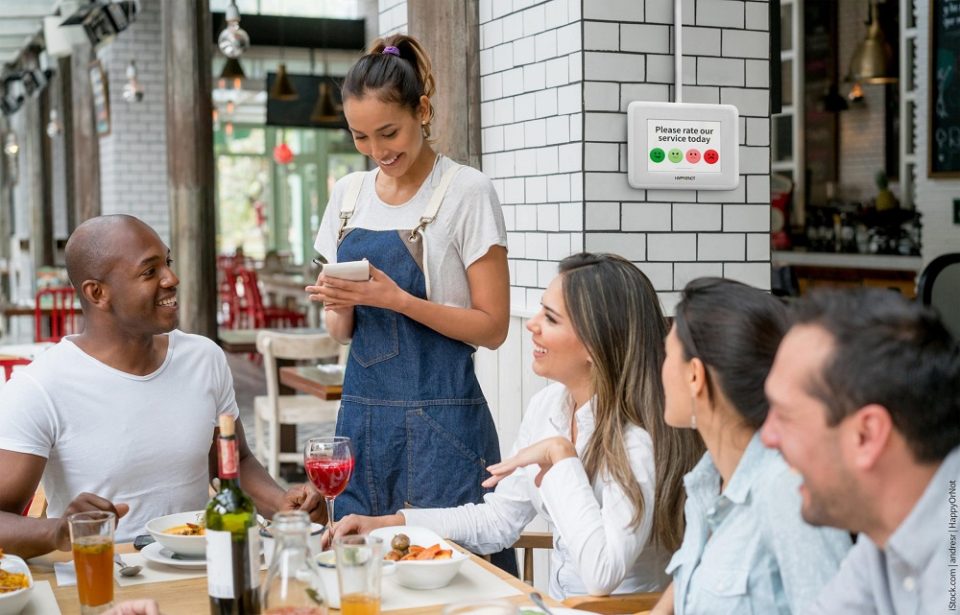
Customer loyalty is one of the most valuable assets a restaurant can build. While marketing campaigns and promotions can attract first time visitors, consistent service quality is what encourages guests to return regularly. Restaurants that focus on thoughtful interactions, reliability, and genuine hospitality often create lasting relationships with their customers without relying heavily on discounts or reward programs.
Natural loyalty develops when guests feel respected, comfortable, and confident in the dining experience. From greeting guests warmly to maintaining consistent food quality, service driven strategies shape how customers perceive a restaurant over time.
The following approaches explain how restaurants strengthen loyalty through service habits that feel authentic and dependable.
Creating a Welcoming First Impression
First impressions influence how customers evaluate their entire visit. A warm greeting at the entrance sets expectations for attentive service throughout the meal.
Effective welcome strategies include:
- Acknowledging guests immediately upon arrival
- Offering seating guidance clearly
- Maintaining eye contact and friendly tone
- Providing realistic wait time updates
Guests who feel noticed right away are more likely to view the restaurant as organized and customer focused.
Consistent entry experiences encourage repeat visits.
Maintaining Consistent Food Quality
Reliability is one of the strongest loyalty drivers in the restaurant industry. Customers return when they trust that meals will meet expectations each time they visit.
Consistency includes:
- Accurate preparation methods
- Balanced seasoning
- Reliable portion sizes
- Fresh ingredient selection
When guests know what to expect, they feel comfortable recommending the restaurant to others.
Predictable quality strengthens long term relationships.
Training Staff to Communicate Clearly and Respectfully
Clear communication improves the dining experience at every stage of service.
Staff communication skills help:
- Explain menu items accurately
- Clarify dietary concerns
- Recommend suitable dishes
- Prevent ordering misunderstandings
Respectful communication builds trust and reduces service errors.
Guests who feel comfortable asking questions often return with confidence.
Personalizing Guest Experiences When Possible
Personal recognition helps restaurants stand out in competitive markets.
Simple personalization methods include:
- Remembering returning guest preferences
- Greeting repeat customers by name
- Offering familiar menu suggestions
- Adjusting service pace based on guest behavior
These details demonstrate attention without requiring formal loyalty systems.
Personal recognition helps guests feel valued.
Managing Wait Times Transparently
Wait times can influence customer satisfaction significantly. Even when delays occur, transparent communication improves guest perception.
Helpful wait time strategies include:
- Providing accurate time estimates
- Updating guests regularly
- Offering comfortable waiting spaces
- Maintaining reservation accuracy
Guests are more patient when they understand what to expect.
Clear communication reduces frustration.
Keeping Dining Spaces Clean and Comfortable
Clean environments communicate professionalism and respect for guests.
Important cleanliness priorities include:
- Sanitized tables between seatings
- Organized serving areas
- Clean restrooms
- Comfortable seating arrangements
Comfortable environments encourage guests to stay longer and return frequently.
Cleanliness strongly influences trust.
Responding Quickly to Service Concerns
Mistakes can occur in any restaurant environment. How staff respond to concerns often determines whether guests return.
Effective response strategies include:
- Listening carefully to concerns
- Offering prompt solutions
- Maintaining calm communication
- Following up after resolving issues
Service recovery handled professionally can strengthen loyalty rather than weaken it.
Guests appreciate accountability.
Offering Knowledgeable Menu Guidance
Servers who understand menu details help guests make confident choices.
Menu knowledge supports:
- Ingredient transparency
- Allergy awareness
- Flavor recommendations
- Portion guidance
When guests trust staff recommendations, they are more likely to explore additional menu options during future visits.
Knowledge builds credibility.
Creating a Comfortable Dining Pace
Balanced pacing improves the overall dining experience.
Restaurants that manage timing effectively:
- Deliver courses smoothly
- Avoid rushed interactions
- Allow conversation time
- Coordinate service efficiently
Comfortable pacing helps guests feel relaxed throughout their visit.
Relaxed dining encourages repeat visits.
Encouraging Staff Consistency Across Shifts
Consistency across service teams ensures guests receive the same experience regardless of visit timing.
Consistency includes:
- Standard greeting practices
- Reliable order accuracy
- Uniform service tone
- Coordinated kitchen timing
Training programs help maintain these standards across all shifts.
Consistency strengthens brand identity.
Supporting Flexible Accommodation for Dietary Needs
Dietary awareness continues to influence dining expectations.
Restaurants that support flexibility:
- Adjust menu items when possible
- Provide allergy information
- Offer alternative ingredients
- Communicate preparation methods clearly
Guests with dietary needs often become loyal customers when they feel accommodated respectfully.
Inclusivity improves long term trust.
Maintaining Friendly Checkout Experiences
The final stage of service leaves a lasting impression.
Checkout improvements include:
- Clear billing accuracy
- Efficient payment processing
- Friendly closing interactions
- Invitations to return
Ending visits positively encourages guests to come back again.
Final impressions influence overall satisfaction.
Building Familiar Atmospheres Through Consistent Hospitality
Restaurants that maintain welcoming atmospheres often become part of their local communities.
Familiar environments support:
- Regular customer relationships
- Comfortable repeat visits
- Positive word of mouth recommendations
- Strong neighborhood connections
Hospitality that feels natural encourages loyalty without requiring formal programs.
Comfort builds trust over time.
FAQ Section
How does customer loyalty benefit restaurants beyond repeat visits
Customer loyalty increases positive recommendations, reduces marketing costs, and strengthens long term business stability through predictable guest traffic.
Do small restaurants build loyalty differently than large restaurants
Small restaurants often rely more on personal relationships and community presence, while larger restaurants focus on consistency across multiple locations.
Can loyalty improve even without discounts or promotions
Yes. Reliable service, comfortable environments, and respectful interactions often create stronger loyalty than temporary promotional incentives.
How important is staff training for customer retention
Staff training plays a major role because consistent communication and service standards shape how guests perceive reliability.
What role does atmosphere play in loyalty development
Atmosphere influences comfort levels, conversation flow, and emotional connection to the dining environment.
How can restaurants encourage guests to return after their first visit
Providing attentive service, accurate meals, and welcoming interactions during the first visit increases the likelihood of return visits.
Does menu variety influence long term customer loyalty
Balanced menu variety encourages guests to explore new dishes while still enjoying familiar favorites during repeat visits.
