
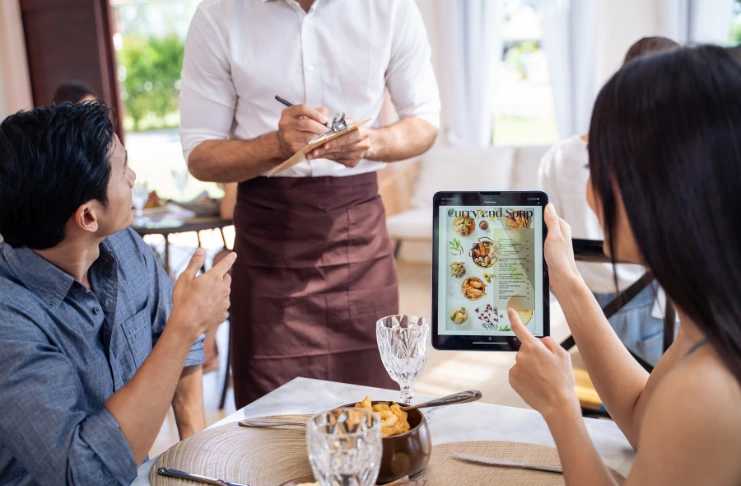
Technology has become a central part of modern restaurant operations. From ordering systems to inventory tracking and customer communication, digital tools now support nearly every stage of food service management. Restaurants that integrate the right technologies often improve speed, accuracy, and consistency while reducing operational stress for staff members.
Efficiency in today’s restaurant environment depends on coordinated workflows, clear communication between teams, and reliable service delivery. Technology helps restaurants achieve these goals by simplifying routine tasks and supporting better decision making.
The following sections explain how different types of technology are improving restaurant efficiency across daily operations.
Digital Point of Sale Systems Improve Order Accuracy
Digital point of sale systems are among the most important tools in modern restaurants. These platforms replace handwritten tickets with structured electronic order management.
Benefits of POS systems include:
- Faster order entry
- Reduced communication errors
- Accurate pricing calculations
- Real time transaction tracking
- Integrated reporting tools
Orders entered through POS systems move directly to kitchen displays or printers, improving coordination between front of house and kitchen staff.
This process reduces delays and improves service reliability.
Kitchen Display Systems Improve Communication Between Teams
Kitchen display systems replace printed order tickets with digital screens that show real time preparation instructions.
Advantages of kitchen display systems include:
- Improved order visibility
- Faster preparation coordination
- Reduced paper usage
- Better workflow organization
Kitchen staff can prioritize orders more effectively when information is clearly displayed.
These systems also reduce confusion during busy service periods.
Online Ordering Platforms Expand Service Efficiency
Online ordering platforms allow customers to place orders without waiting for staff assistance. This reduces workload at service counters and improves order accuracy.
Online ordering benefits include:
- Reduced phone call interruptions
- Faster order processing
- Improved menu visibility
- Streamlined pickup coordination
Digital ordering systems also help restaurants manage peak demand more effectively.
Customers appreciate the convenience of placing orders at their own pace.
Inventory Management Software Reduces Waste
Inventory management technology helps restaurants track ingredient usage more accurately.
Benefits include:
- Real time stock monitoring
- Reduced ingredient shortages
- Better purchasing decisions
- Lower food waste levels
Automated alerts notify managers when supplies reach low levels.
Accurate inventory tracking improves cost control across operations.
Scheduling Software Supports Staff Coordination
Staff scheduling platforms simplify workforce planning.
These tools help managers:
- Assign shifts efficiently
- Adjust schedules quickly
- Communicate changes instantly
- Track availability preferences
Clear scheduling improves team coordination and reduces last minute staffing issues.
Digital scheduling also supports fair workload distribution.
Contactless Payment Systems Improve Checkout Speed
Contactless payment options allow guests to complete transactions quickly and conveniently.
Advantages include:
- Faster checkout processing
- Reduced wait times
- Improved payment accuracy
- Increased customer satisfaction
Digital payment flexibility supports both dine in and takeout service models.
Efficient checkout improves overall service flow.
Reservation Management Platforms Improve Table Turnover
Reservation management tools help restaurants coordinate seating more effectively.
Key benefits include:
- Accurate table availability tracking
- Reduced overcrowding
- Improved wait time estimates
- Better guest communication
Hosts can manage seating flow more confidently when reservation information updates automatically.
These systems improve both guest satisfaction and operational organization.
Data Analytics Tools Support Smarter Decision Making
Data analytics platforms help restaurant managers evaluate performance trends across multiple areas.
Analytics tools support:
- Sales tracking
- Menu performance evaluation
- Peak hour identification
- Labor cost monitoring
Understanding performance patterns helps managers make informed operational adjustments.
Data driven decisions improve long term efficiency.
Digital Training Platforms Improve Staff Development
Training technology helps restaurants maintain consistent service standards across teams.
Digital training platforms allow staff to:
- Review procedures independently
- Learn menu updates quickly
- Practice service guidelines
- Access safety instructions anytime
Structured training improves employee confidence and reduces service errors.
Consistent training supports smoother operations.
Delivery Integration Systems Simplify Multi Platform Orders
Many restaurants receive orders from multiple delivery platforms. Integration tools combine these orders into a single management interface.
Benefits include:
- Reduced order entry duplication
- Improved tracking accuracy
- Faster preparation coordination
- Simplified reporting
Centralized order management helps kitchens stay organized during busy service periods.
Integration reduces operational complexity.
Table Management Systems Improve Dining Room Flow
Table management platforms help hosts monitor dining room activity in real time.
These systems support:
- Seating coordination
- Guest wait time tracking
- Table availability updates
- Server assignment organization
Improved seating flow helps restaurants serve more guests efficiently without reducing service quality.
Structured table management strengthens service timing.
Customer Feedback Platforms Support Service Improvements
Customer feedback tools allow restaurants to gather insights directly from guests.
These systems help managers:
- Identify service strengths
- Address concerns quickly
- Monitor satisfaction trends
- Improve menu decisions
Real time feedback helps restaurants respond proactively instead of reacting after issues grow.
Continuous improvement strengthens long term efficiency.
FAQ Section
How does technology reduce order mistakes in restaurants
Digital ordering systems send instructions directly from service staff to kitchen teams, reducing misunderstandings caused by handwritten notes or verbal communication.
Can small restaurants benefit from technology adoption
Yes. Even basic tools such as digital payment systems and scheduling platforms improve efficiency for smaller operations.
Do technology systems require extensive staff training
Most modern restaurant platforms are designed with simple interfaces that allow staff to learn quickly with minimal instruction.
How does reservation software improve guest satisfaction
Reservation systems reduce waiting uncertainty and help guests plan visits more confidently.
Are digital inventory systems difficult to maintain
Many inventory platforms update automatically as sales occur, making tracking easier than manual counting methods.
Can technology help restaurants reduce labor costs
Technology improves workflow coordination, allowing staff to focus on service tasks instead of administrative duties.
How do analytics tools help improve menu planning
Analytics platforms identify which dishes sell most frequently, helping restaurants adjust menus to match customer preferences.
