
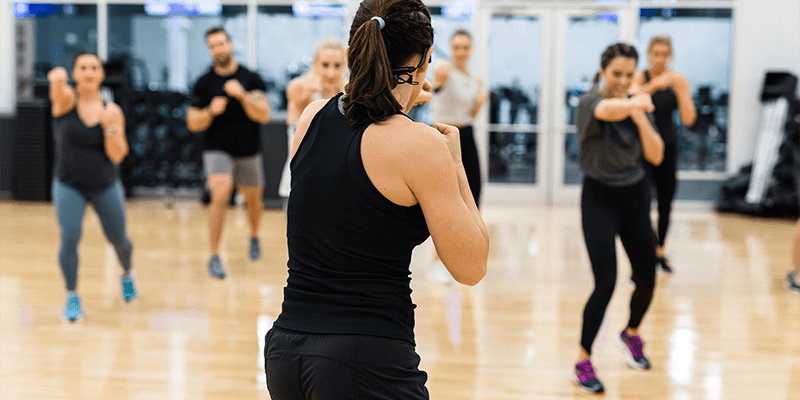
The nutritional requirements of bodycombat class differ from lower-intensity formats in ways that the majority of Singapore participants do not fully account for in their daily nutritional management. The format’s high cardiovascular intensity combined with the full-body muscular demand of sustained striking and kicking patterns creates simultaneous glycolytic fuel demands and muscle protein synthesis requirements that a nutritional approach calibrated only for moderate-intensity exercise will not adequately support.
The Dual Fuel Demand of BodyCombat
BodyCombat’s intensity drives the primary fuel source progressively toward carbohydrate metabolism as heart rate climbs through the moderate into the vigorous intensity zone. The format’s sustained vigorous intensity, particularly during peak and power tracks, relies predominantly on glycolytic carbohydrate metabolism that depletes muscle glycogen at a rate that makes pre-class glycogen status a direct determinant of session performance quality.
At the same time, BodyCombat’s full-body muscular engagement, which includes the upper body musculature of punching patterns alongside the lower body demand of kicking and footwork, creates protein synthesis stimulus across a broader muscle mass than purely lower-body cardiovascular formats. This broader synthesis activation makes post-class protein management more important than the same cardiovascular intensity would generate in a lower-body-only format.
Pre-Class Glycogen Management
The most impactful pre-class nutritional decision for Singapore BodyCombat participants is the carbohydrate adequacy of the meal consumed two to three hours before class. A meal providing adequate complex carbohydrate ensures that glycogen stores are topped up before the session’s sustained vigorous demand begins depleting them, maintaining performance quality through the session’s peak intensity sections that determine both training stimulus quality and caloric expenditure magnitude.
In Singapore’s hawker environment, a pre-class meal of rice or noodles with lean protein consumed two to three hours before a BodyCombat session provides the carbohydrate and protein profile that supports both session performance and the post-class synthesis window the format activates.
Post-Class Protein and Recovery
Following a BodyCombat session, the combination of cardiovascular fuel depletion and full-body muscular synthesis activation creates a recovery nutritional requirement that combines meaningful carbohydrate replenishment with substantial protein delivery. Singapore instructors who manage their own post-class nutrition most effectively typically consume a mixed meal of thirty to forty grams of protein alongside moderate carbohydrate within sixty to ninety minutes of class completion.
True Fitness Singapore’s BodyCombat instructors apply these nutritional principles personally and share their practical implementation within Singapore’s food environment with members who seek guidance on optimising their nutritional management around class attendance. True Fitness Singapore supports the integration of nutritional education into the class experience that helps members extract maximum benefit from their training investment.
FAQs
Q. – I attend BodyCombat at 7pm after work and often skip dinner afterwards due to the late hour. How does this affect my recovery?
Ans. – Skipping post-class nutrition consistently impairs recovery and muscle mass maintenance over time. A small but protein-rich meal or snack of twenty-five to thirty grams within sixty minutes of class completion, even if the full dinner is delayed, provides the primary synthesis support the session’s muscle activation requires without the digestive burden of a large late meal.
Q. – Does the physical impact of BodyCombat’s kicking movements create additional nutritional requirements compared to non-impact cardiovascular formats?
Ans. – Impact loading creates additional muscle damage and connective tissue stress relative to non-impact formats at equivalent cardiovascular intensity. This elevated tissue damage increases protein synthesis requirements modestly and makes anti-inflammatory nutritional support through omega-3 fatty acids and polyphenol-rich foods from Singapore’s diverse food environment particularly relevant for high-frequency BodyCombat participants.
Q. – How should I manage nutrition if I attend BodyCombat twice in one day?
Ans. – Double BodyCombat attendance in one day requires deliberate intra-day glycogen replenishment between sessions. A carbohydrate-centred snack of thirty to fifty grams consumed within thirty minutes of the first session, followed by a mixed meal two hours before the second session, maintains adequate glycogen availability for both sessions’ performance demands.
Q. – I feel nauseated during BodyCombat’s high-intensity tracks. Could my pre-class nutrition be causing this?
Ans. – Exercise-induced nausea during high-intensity BodyCombat sections most commonly reflects either food consumed too close to class start, specifically within sixty to ninety minutes, with insufficient digestion time, or pre-class meals high in fat or fibre that slow gastric emptying into the exercise period. Extending the gap between eating and class to ninety to one hundred and twenty minutes and reducing pre-class meal fat content typically resolves nausea within two to three weeks of consistent application.
Q. – Does caffeine before BodyCombat improve session performance?
Ans. – Yes. Caffeine consumed thirty to sixty minutes before BodyCombat reduces perceived exertion during high-intensity combination sequences and improves muscular endurance during sustained striking tracks. Singapore’s coffee culture makes this a culturally familiar and practically accessible pre-class ergogenic strategy. Managing the timing relative to sleep is the primary consideration for evening BodyCombat attendees.
